Sigma - Eatable Adventures

Sigma operates in 18 countries throughout North and South America and Europe. With more than 65 plants and 184 distribution centers, the company produces, markets and distributes quality foods including packaged meats, cheese, yogurt and other refrigerated and frozen foods.

TASTECH BY SIGMA

Sigma has launched the third edition of its Tastech by Sigma accelerator program. With its open innovation programs and calls for projects, Sigma is committed to promoting the development of technological solutions, products and services to generate impact and improve the customer experience.

More than 900 startups from 41 countries have participated in Tastech, resulting in investments, a distribution contract, and other collaboration agreements in process.

Since 2019, Tastetch has continued to collaborate with the entrepreneurial ecosystem and drive high-potential projects in the food industry.

Following this year’s success, the program has selected 8 startups, 4 of which are Spanish, demonstrating Sigma’s strong commitment to the Spanish Foodtech ecosystem.

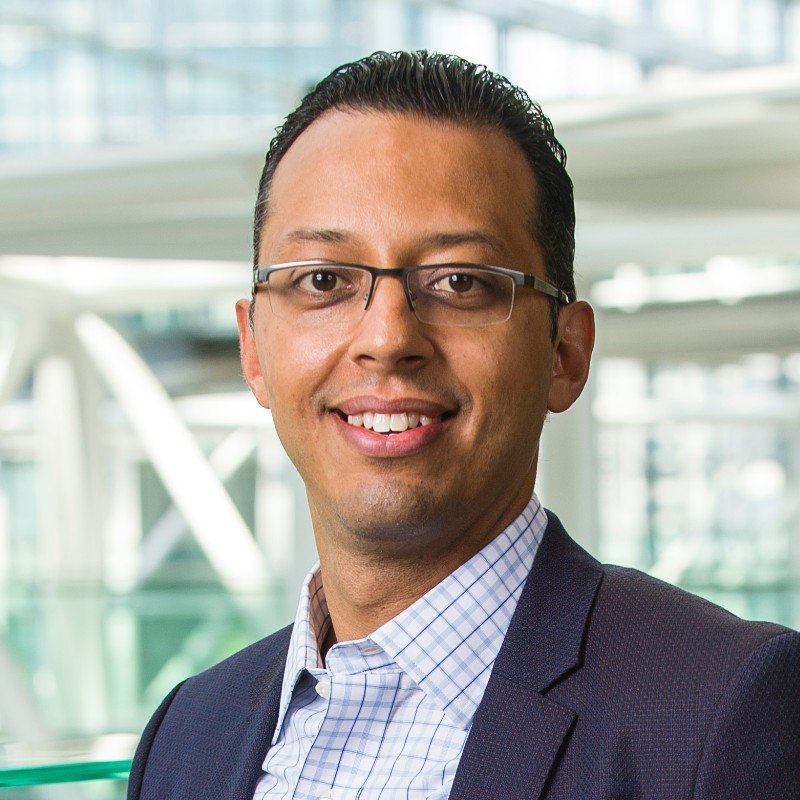
Daniel Alanis, Chief Growth Officer at Sigma.“Through Tastech, Sigma opens its doors to entrepreneurs from around the world to share their knowledge, conduct joint pilot tests and implement new technologies and solutions that will drive the future of the food industry. We are excited to find new ideas and support the talent of the most innovative and disruptive food startups.”


Daniel Alanis, Chief Growth Officer at Sigma.

Mahou San Miguel - Eatable Adventures

Mahou San Miguel, a family-owned beverage company, 100% Spanish and leader in the beer sector in our country. It produces more than 70% of the Spanish beer consumed outside Spain and is present in more than 70 countries.

In 2022 it launches BarLab Ventures, its open innovation platform for entrepreneurial projects that drive the Food and Beverage sector.

RETHINK YOUR DRINK CHALLENGE

As part of its open innovation platform, the company launched in July, together with Eatable Adventures, “Rethink your Drink”, its first open innovation challenge to find answers to the sector’s major challenges.

The call is open to startups from around the world that have a differential, sustainable and innovative proposal that generates a transformative and sustainable impact on the traditional beverage industry.

More than 100 startups have registered, from which a first shortlist has already been selected. In the coming weeks, the company will announce the selected startups and their innovative proposals.

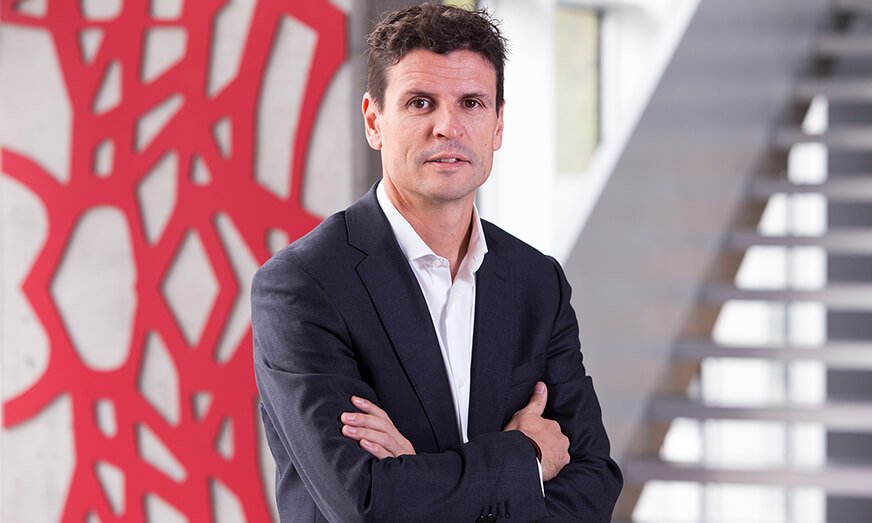
Miguel-Angel“We are convinced that thanks to this project we will be able to share with entrepreneurs a common perspective to make bars, restaurants, distributors and the rest of our value chain strengthen their collaboration to generate wealth, based on aspects such as excellence, innovation and sustainability.”
 

Miguel Ángel Miguel, General Manager of Transformation at Mahou San Miguel.

Founded in 1969, Pascual, a leader in the food sector, has a range of more than 200 products, 6 factories, 27 local offices and more than 2,000 employees in the 63 countries in which it operates.
Pascual advocates from the outset the creation of the Corporate Venturing branch of the company: Pascual Innoventures.

In 2020, Pascual and Eatable Adventures launch a collaborative challenge dedicated to international startups active in the production of solutions for the plant-based dairy sector.

MYLKCUBATOR

Incubation Program

Mylkcubator, the world’s first incubator specialized in the development of innovation projects for the dairy sector, was launched in May 2021. Since then, it has achieved incredible success, positioning Pascual globally as an innovative and cutting-edge company.

4 early stage startups from different continents are chosen, the main Venture Capital of the sector join to have access to Mylkcubator’s dealflow. In 2022, the second edition has been launched.

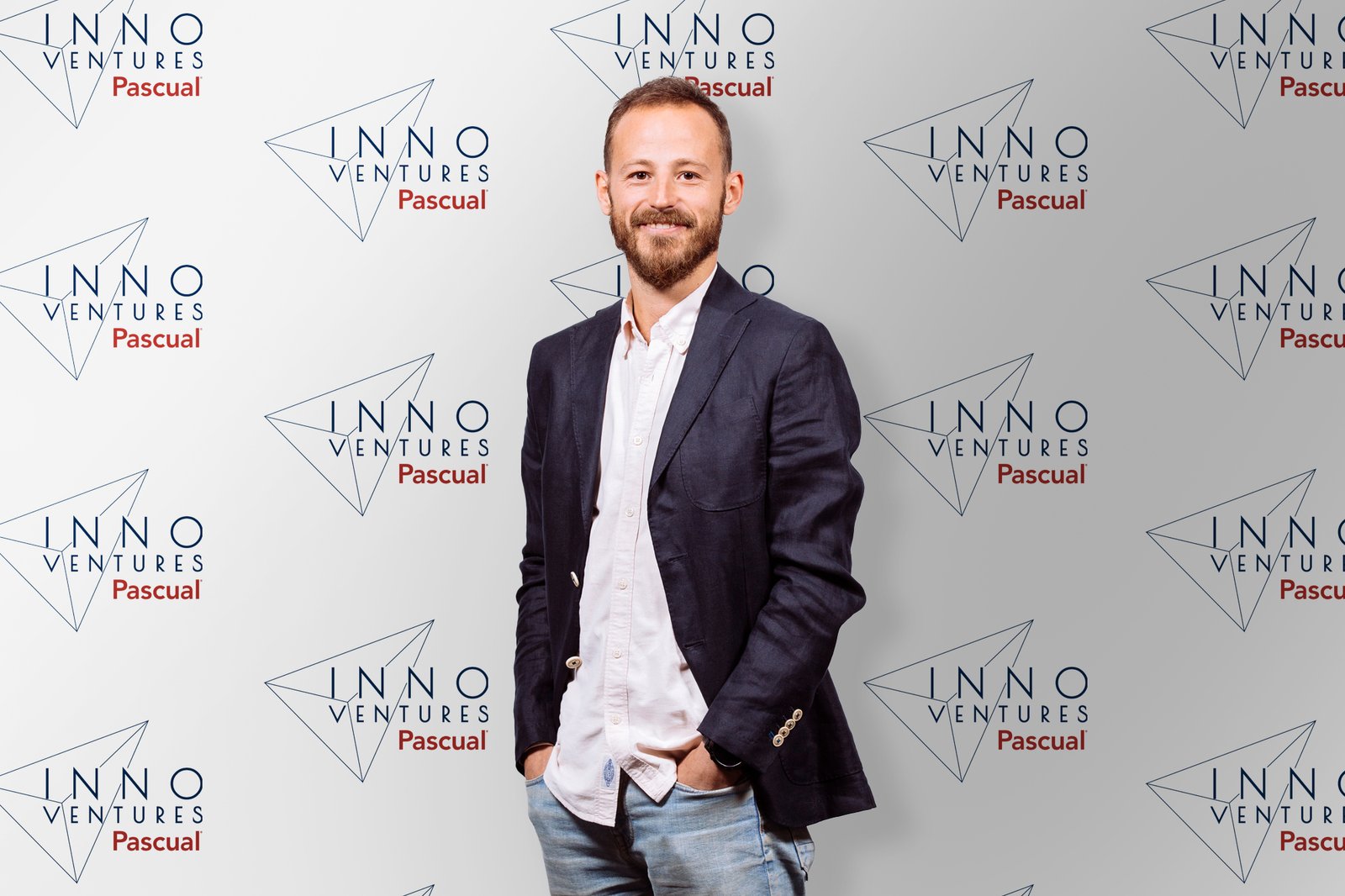
Pascual“The quality of the startups selected in the first edition has been amazing and shows us that this is clearly the way forward. The visibility of these projects, as well as the investment projects they are receiving is a sign that the industry is ready for this technological transition.”
 

Gabriel Pascual, director of Pascual Innoventures

Eatex
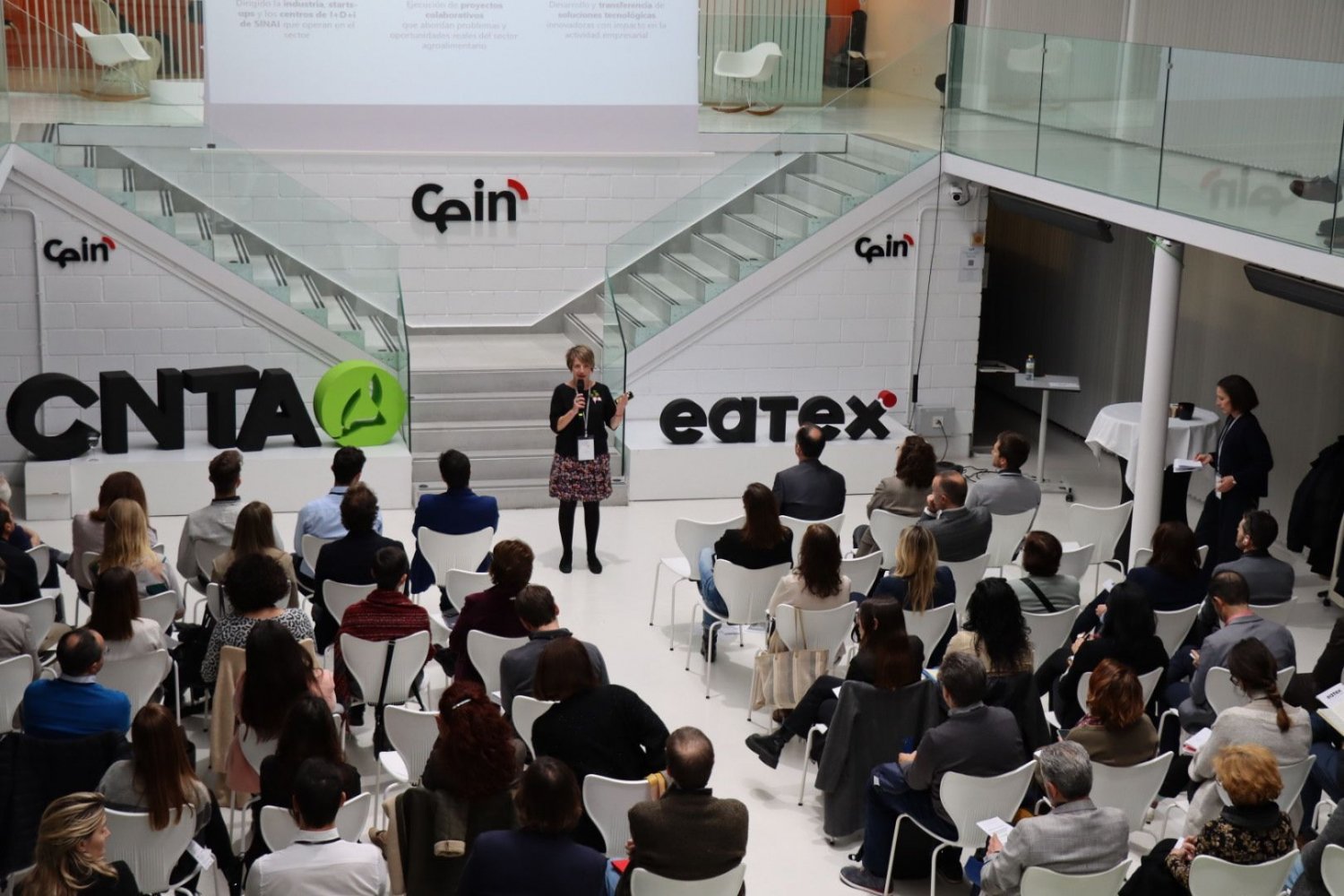
  •   A project promoted by CNTA (the Spanish National Centre for Food Technology and Safety) with the support of the Government of Navarra and collaboration of more than 10  R&D&I centers of the Navarre R&D&I System (SINAI)

  •   Among the activities that will be developed in the hub there is the detection of needs between the stakeholders of the sector and the generation of new opportunities; developing, validating, and demonstrating solutions and accompanying in the scaling and the implementation of these solutions. 


Innovation in the agri-food sector is unstoppable. In 2021 the Spanish national Foodtech ecosystem tripled its investments compared to last year, according to accelerator Eatable Adventure’s data, achieving excellent traction from national and international investors, managing to position Spain as the fifth European power in this vertical. This boom in innovation and solidity in intellectual property has boosted the creation of new models of collaboration between the principal agents of this ecosystem to accelerate the technology transfer. 

In this context, CNTA  (National Center for Food Technology and Safety) has created the Eatex Food Innovation Hub, the new collaborative innovation hub for the transfer and technology implementation in the agri-food industry. An ecosystem of open and applied innovation that addresses and solves today’s and future problems in the agri-food sector through a holistic focus based on the implementation of agile and advanced dynamics and research models. 

Eatex Food Innovation Hub was born as a gathering point,  a space beyond a physical location, where science and businesses collaborate to make research and technology transfer successful. This project promoted by CNTA has the support of the Government of Navarre and the collaboration of more than 10  R&D&I centers of the Navarre R&D&I System (SINAI). The creation of this hub is part of the Complementary Plan AGROALNEXT, within the Recovery, Transformation, and Resilience plan financed by the European Union – NextGenerationEU.

Among its objectives is to improve and accelerate the technology transfer of valuable solutions from the R&D centers to the agri-food sector to increase the success rate of technology transfer and reduce the innovation risk. According to Silvia García de la Torre, Eatex Food Innovation Hub director, “the motivation to create this new hub comes from improving technology transfer, a very important tool with great potential for agri-food companies since it will allow them to open to new possibilities, ideas, and opportunities.”

This will be achieved through the implementation of agile and advanced research dynamics and models, based on collaboration and co-creation of solutions with a holistic vision of the entire value chain and with a focus on the final customer.  In addition, providing funding for the development of solutions with agile management of projects oriented towards results and collaborating and creating synergies with other entities and initiatives. 

Among the activities that will be developed in the hub, there will be the detection of needs in the sector and the generation of new opportunities; developing, validating, and demonstrating solutions while accompanying the scale and implementation of those solutions.

Eatex Food Innovation Hub will start its activity in mid-December with the ¨Program for the development of innovation and technology transfer” where it will address six research areas: promotion of agriculture and livestock of the future, search for new ingredients and production models, development of new food and beverage for healthy eating, implementation of the industry 4.0 and hyperconnected processes, innovation applied to food packaging and preservation systems and the application of circularity and appraisal of by-products and waste. 

More info about Eatex Food Innovation Hub  www.eatexfoodinnovationhub.com

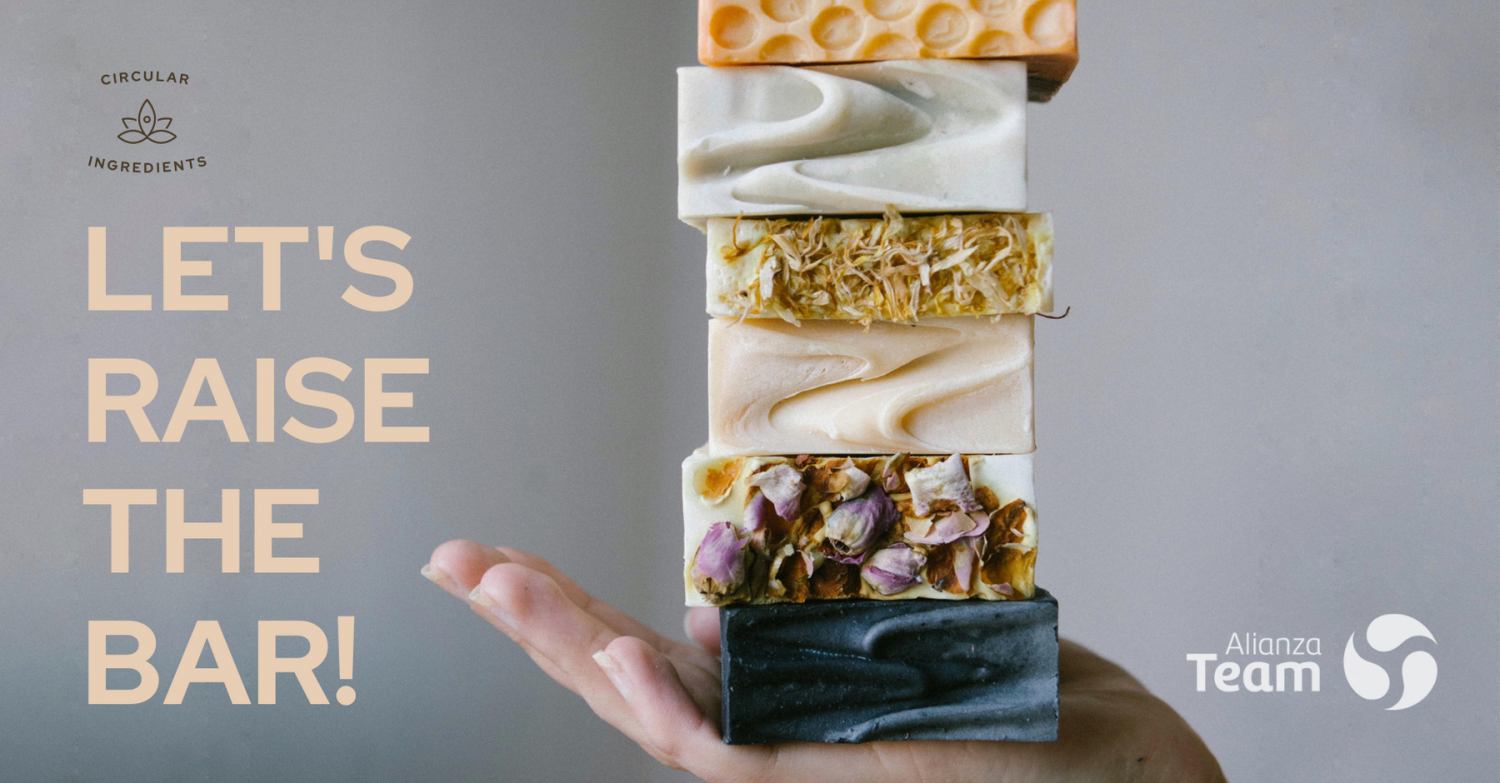
Let's Raise the Bar
  • A new platform to address the challenges in the food industry 

  • Alianza Team® is one of the leading innovation companies in Colombia, thanks to the development of 21 patent families and the confidence placed in global startup investments in the foodtech sector for 3M USD.

Alianza Team®, a Colombian-based corporate group, expert in lipids and fats and leader in the food sector, has announced the creation of a new Open Innovation Portal to foster collaboration between startups and industry, thus responding to the most important challenges of the sector, especially in the field of sustainability. This portal is aligned with the company’s aim of “nourishing a better tomorrow” through the development of innovative products and solutions to respond to new market and consumer needs. 

The new open innovation platform was created by Albora, with the support of Eatable Adventures, one of the three most important food technology accelerators in the world. Startups that collaborate with the platform could benefit from an investment plan, access to Alianza Team’s ® facilities that are equipped with the latest technologies, and its logistics network, as well as  the know-how of the company’s R&D team of professionals. 

This is a unique opportunity to develop their innovative ideas and reach the market quickly, from the hand of one of the leading companies in open innovation in the food and beverage sector in Colombia and one of the 10 most innovative companies in Colombia according to the ANDI (National Business Association of Colombia), the most representative economic guild in that country. Alianza Team® has obtained these recognitions thanks to the development of 21 families of patents and the trust placed in global startup investments in the foodtech sector for 3M USD.

Let’s Raise the Bar Challenge

The innovation platform will kick off with the Let’s Raise The Bar challenge. Its first challenge aims to find the most disruptive startups in the soap industry, in all sectors, to obtain a sustainable raw material that offers a good quality product for its consumers and whose production is friendly to the planet. 

Entrepreneurs who participate in this challenge could  be able to partner with Alianza Team® for the development of new soap lines for future projects, or have the company’s collaboration for the design and manufacture of a specific product, optimizing costs and scaling through access to the company’s technology. They could  also be able to potentially access other markets and obtain an investment plan.

“Innovation is part of the DNA of our company, being a value that we seek to promote in all areas internally and in the development of the value chain externally. Our commitment with our Open Innovation Portal is to promote an innovative ecosystem that leverages the growth of all the actors that are part of the chain,” said Maria Paula Rios, Vice President of Innovation and Digital Transformation of Alianza Team®.


In the words of Mila Valcárcel, Managing Partner of Eatable Adventures, “We are proud to launch this new innovation milestone with Alianza Team®, a leading company in the food industry and a pioneer in implementing innovative solutions to respond to and anticipate new market challenges. The collaboration between startups and industry offered by the open innovation model is key to develop and bring to market new products and proposals in a very fast and much more efficient way”

For more information visit: ​​www.albora.co/portal

  • Baking the Future, Europastry’s startup acceleration program, begins the selection process for its second edition with Google Cloud and Eatable Adventures as collaborators.
  • Google Cloud, which recently landed in Barcelona, will collaborate hand in hand with Cereal and its accelerator Baking the Future, to boost the digital transformation of bakery startups.
  • The startups chosen for this second edition will enjoy a workspace, mentoring sessions, access to Europastry’s R&D department and will gain global impact through direct contact with the most relevant agents of the bakery industry value chain.


Baking the Future, Europastry’s startup acceleration program, opens the selection process for its second edition, which aims to find the next startups that will revolutionize the bakery sector.

After the success of the first program’s edition, we have teamed up with two collaborators that will bring a lot of value: Google Cloud and Eatable Adventures.

Google landed this June in Barcelona with a team of business consultants and experts in digital and cloud marketing to support and boost the digital transformation of companies by working and collaborating hand-in-hand with projects such as Baking the Future.

 Google Cloud will be close to the startups in the program, offering mentoring sessions, and providing support on its Cloud services. In addition to being part of the jury that will decide which startups will be with us in this second edition.

On the other hand, Eatable Adventures, the leading company in detecting and promoting the world’s most innovative and disruptive food startups, will offer entrepreneurship and business plan sessions.

 “We are proud to continue driving open innovation models with a leading global company like Europastry. Our collaboration started in 2019 with Baking the Future Challenge, a competition to improve processes and operations through the most disruptive startups in the industry and has derived into a more ambitious project with the accelerator program. Being able to activate a collaboration with Europastry, accessing an R&D center like Cereal, is a unique opportunity for any startup whose innovations and technologies apply to the bakery sector.” – Says José Luis Cabañero, Founder & CEO of Eatable Adventures.


SECOND EDITION OF THE BAKING THE FUTURE PROGRAM

The selected startups will enjoy:

  • A workspace in the Cereal, Europastry’s Innovation Center, equipped with the latest technology.
  • Mentoring sessions with highly qualified Cereal professionals from the R&D, commercial and marketing teams and the EaTable Adventures and Google Cloud teams.
  • Access to Europastry’s R&D department to develop, test and launch the product using the latest technologies to move from lab scale to pilot scale at Cereal’s facilities.
  • Global and direct project presentation with all the bakery’s industry value chain agents.

The drivers for these startups will be sustainability, improved customer experience, health and technologies aimed to improve production without losing sight of product quality.

Those interested in being part of the project can apply from today on the Baking the Future website.


INNOVATION AND EUROPASTRY

Innovation is part of our DNA. The company itself was born from an idea that revolutionized the bakery sector and since then, Europastry has always sought to be at the forefront of the sector, anticipating new trends and offering its customers the most disruptive products. “If you stop innovating you end up losing competitiveness and capacity for growth. That is why it is very important to keep reinventing yourself and never think that what you have is for life,” said Jordi Gallés.

Europastry currently invests 60 million euros a year in innovation and has one of the most avant-garde and pioneering R&D centers: Cereal.

“We have been part of the Baking the Future program and this is the result: a bread made with the flour of beer waste,” explains to us Aviaja, co-founder and CEO of Agrain, one of the startups accelerated in the first edition that came with a project that bet strongly on a more sustainable future of the food industry and that today already has a niche in the market. “Being part of Europastry has been a very good experience. We have met very astute and intelligent people who are passionate about the bakery sector.”

Webinar by ICEX Spain Trade & Investment, with the global network of Economic & Commercial Offices of Spain

The innovative and accelerated era we are living in has challenged the food industry to evolve the way it has been operating up until now. Consumers’ interest in alternative protein is increasing globally. In order to take advantage of this opportunity, food industry players must understand the evolving market dynamics and place their bets on innovation.

Spain’s alternative protein industry has grown exponentially in the last few years, demonstrating both the potential of this new market and the challenges that need to be faced by this industry in the upcoming years. As of today, Spain has one of the most prolific ecosystems for foodtech entrepreneurship. The Spanish alternative protein companies saw investment figures rocket by 5,527% in 2021, raising 26 million euros, up from just 0,49 million euros in 2020.

New players in the ecosystem, including big companies, technology centers, and disruptive startups, have contributed to the growth of the plant-based market. Aside from plant-based solutions, fermentation, bioprinting, and cell cultivation technologies are capturing investors’ attention more and more, having a huge potential for innovation, and claiming a much larger share of investment than ever before.

Webinar ICEX

ICEX Spain Trade & Investment, together with the global network of Economic & Commercial Offices of Spain, will host a webinar on June 30, 2022 featuring five Spanish startups and one of the leading technological centers that are disrupting the food industry by using the most innovative technologies to create the foods of the future, in the most sustainable way.

This initiative seeks to strengthen the network of the Spanish foodtech industry, to showcase its successes and interesting projects, and to enhance collaboration.

To make sure you don’t miss out on this opportunity, ICEX is offering you two time slots options that may suit your schedule. 

Register for free in the 9AM CET slot here, and in the 6PM CET slot here.

Guest Speakers at the International Roundtable:

Looking forward to seeing you there!

Food 4 Future

Food 4 Future– Expo FoodTech (#F4F2022) the international reference forum where food and beverage industry professionals learn about the latest trends, solutions, and technologies to optimize and innovate throughout the value chain, will take place from May 17 to 19 in Bilbao. 

This year, Food 4 Future celebrates its second edition which is expected to attract more than 7,000 congress participants and 253 exhibiting brands. A meeting point for innovation managers, IT managers, marketing managers, and CEOS of the food industry, emphasizes the major challenges of the industry: sustainability, food safety, and the digitization and automation of industrial production processes. 

Food 4 Future encourages the transfer of knowledge and experience among international professionals and experts, including renowned scientists and researchers, startups that are redesigning the food industry, top chefs, and representatives of the public administration. Food 4 Future, organized by NEBEXT and AZTI, has the support of the Basque Government, the City Council of Bilbao, the Provincial Council of Bizkaia, the BASQUE TRADE, ICEX, and the Ministry of Agriculture, Fisheries and Food of the Government of Spain; and the associations and collaborators that are leaders in this industry as HAZI, NEIKER, ELIKA, EIT Food, ILSI Europe, Food for Life, SPRI, Eatable Adventures, SanTelmo Business School or IASP (international association of science parks and innovation areas). 

Agenda

The congress will feature more than 70 sessions and vertical forums for each sector of the agri-food industry, which will focus the debate on the major challenges facing the industry, with special emphasis on the application of automation and robotics, the transition to the new Industry 4.0, and content related to sustainable and healthy food.

As strategic partners in this event, we would like to highlight that Eatable Adventures’ Ecosystem Manager & Innovation Consultant Paula Álvarez Ameijeiras will moderate a round table where leaders in the industry such as Anthony Finbow, CEO of Eagle Genomics, Charis Galanakis, R&I Director of Galanakis Laboratories & Mathew Gorton from New Castle Unversity will be discussing “R&I for sustainable and healthy food systems” on May 17th at 12.00h. 

Furthermore, Eatable Adventures’ ​​Managing Partner & Co-Founder Mila Valcárcel will be speaking in a session about “Building a strong global foodtech ecosystem from Spain” on May 18th at 12.45h. 

For more details about the Agenda of Food 4 Future Summit visit their webpage.


With the growing demand from the population to eat more and more sustainably, fungi-based meat is one of the new alternatives being pursued by many companies, with the aim of mimicking the taste and texture of real meat. 

Innomy, an Argentinan-based startup located in Spain, is using fungal tissue cultures combined with precision fermentation technology to create complex structures that replicate the fibrous and tender consistency of meat. Created in laboratories, fungi-based meat relies on the mycelium, which is a network of fine filaments that are similar to the muscles of animals. The company modifies the shape, color, and flavor of the filamentous structures in mycelial matrices to make products that taste like meat.

During our interview with Francisco Kuhar, CSO & Technology Partner of Innomy, whose company participated in our Accelerator Program in 2020, he explained how the program helped the company grow, the reasons they chose the fungi-based meat to create their product, and the best advice they received from our CEO, Jose Luis Cabañero. Read on to learn more about Innomy’s experience during the Eatable Adventures Accelerator Program.


What stage was Innomy at when you joined the Eatable Adventures Acceleration program? Can you tell us about the growth Innomy has had since participating in our acceleration program?

When Innomy joined the Eatable Adventures Acceleration program: ‘Spain Food Tech’, the development stage was at an advanced stage, but the team’s configuration as a startup was incipient and a lot of organizational work was needed to be able to expose itself to investors and the public. Working with CNTA in the framework of this program was a huge help, as this institution became a valuable partner along the way. The experience we gained from Eatable Adventures enabled us to develop a credible business proposal, as well as to organize the team, understand the language of communication, and present ourselves to investors. In addition, the contacts provided by the Program and the appearances at various events allowed us to increase our reach and access to financing and production proposals.


What has the Spanish foodtech ecosystem offered you to establish your company in Spain?

In particular, we felt very supported by the Basque ecosystem. Institutions such as Beaz, Talent, and the BIC of this community welcomed us and helped us in a very active way. On the other hand, Basque research institutions and industry have been very supportive and are allowing us to grow.


What are the advantages and benefits of using mycelium compared to other protein alternative raw materials on the market today?

The mycelium contains high-quality protein in terms of its amino acid composition, but also in the supply of vitamins, Beta-glucans, ergosterol, and other compounds whose health benefits include the maintenance of a competent immune system, lower cholesterol levels, and the availability of nutrients without the need for artificial additives.

What is the most valuable piece of advice José Luis has given you in our Acceleration Program?

José Luis taught us that talking with a product on the table is much more effective than communicating ideas or a project. Even if it needs to be improved, the product shows an anchor with the reality that is often valued in the European entrepreneurial environment. Our speech was crystallized into a solid demonstrable development, which changed the way investors or other partners listened to us.

Singapore, Israel, and Madrid? FoodTech is gaining momentum in the city trying to become a global reference. Public administrations and private agents have aligned their interests to position the region in one of the sectors of the future. These intentions were evident during the first thematic session of the Innodays, a series of sectoral meetings to promote entrepreneurship in the field of innovation organized by the Madrid City Council, the Community of Madrid, and the Madrid Innovation Driven Ecosystem (MIDE).

Spain as a FoodTech Nation

Among all the guests at the first InnoDays, Eatable Adventures’ Managing Partner, Mila Valcárcel, brought up a relevant topic: the geopolitical changes (and the consequent scarcity of food or raw materials) that will act as accelerators of changes in the agri-food value chain with the incorporation of new technologies.

These changeovers are led by technologies such as robotics, fermentation, bioprinting, artificial intelligence, IoT, new ingredients, cellular technology, or innovations in packaging. “We like to talk about Spain as a FoodTech Nation, a country that is much more than gastronomy and a world power in the agri-food field,” Valcárcel detailed. In fact, 10% of the national GDP depends on these sectors.


Startups, the main drivers of the industry

More than 30,000 companies are engaged in agri-food in Spain. “The great challenge for the industry is digitization, technology must reach the whole system. We also need more innovative and sustainable value chains, as is the case in other sectors”. Despite everything, the Spanish FoodTech and AgroTech environments have gained dynamism at full speed, as evidenced by the 700 million in investment attracted by agri-food last year, almost triple compared to 2020.

In this ecosystem, startups are clearly in focus, they are companies that are developing and generating interesting movements at different levels. As for Madrid, there are 407 startups operating in the region, representing 25.29 % of the national total. “They are companies that touch the entire value chain, from production to logistics. Madrid can be the Silicon Valley of food, the key is to work together to achieve it,” assured Mila Valcárcel.


Madrid, the Silicon Valley of food

Madrid should have a global ambition regarding its positioning on the FoodTech board. “We should take advantage to change what doesn’t work. For example, technology transfer is fundamental but very complex in Spain. We must mix technology and science to generate ambitious startups capable of solving global challenges.”

At a time when supply chains are breaking down and food autarky is on the rise, Spain has scientific teams, first-rate facilities, and a testing ground, such as Madrid Food Innovation Hub, where everything can be tested. “Let’s develop technology, intellectual property, and a solid business model around food,” said Valcárcel.


Educating the consumer

Meanwhile, we need to educate consumers so that they are aware of and able to exploit the disruption.  “For starters, FoodTech will allow us to make food accessible to everyone. This doesn’t mean we’re going to stop having traditional livestock or crops. It means there will be many other ways of doing things in the face of a world population that is growing and demanding functional foods, proteins…”

“It is important to work with the citizen on issues of perception and valuation. Countries like Singapore do a great job of dissemination. In this way, the consumer understands that there is nothing wrong with consuming laboratory meat or lettuce harvested in a vertical garden”.

During its first day, InnoDays aimed to highlight the needs of the entrepreneurial ecosystem and generate synergies between it. Watch the recorded session here.